Along the Passer
-
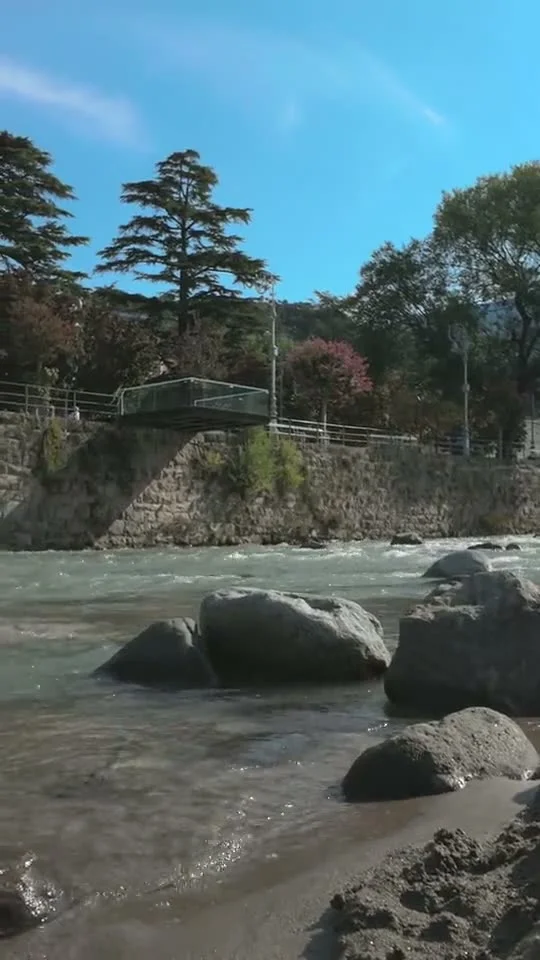 Passer
On the bank
The camera on the stones, the Passer rushing past.
-
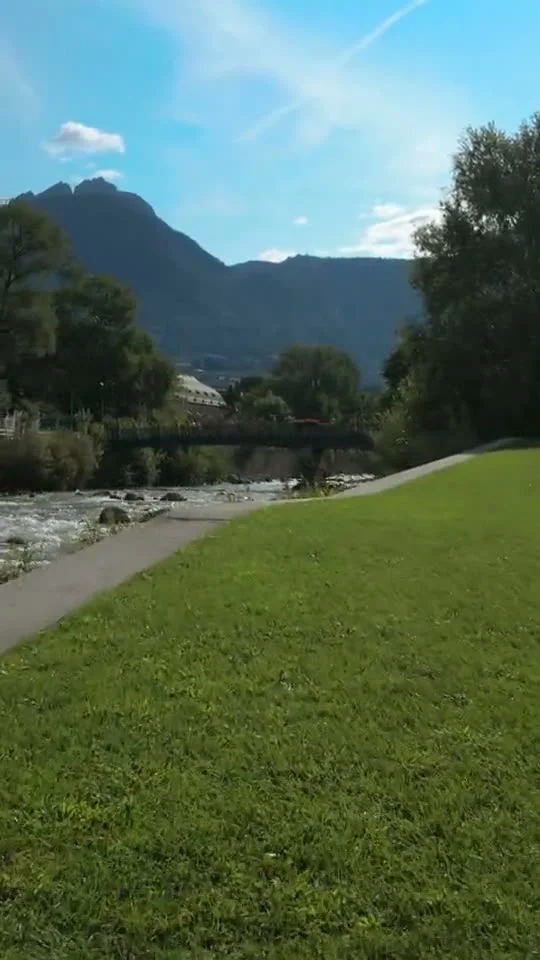 Passer
Across the meadow
Just above the grass of the Passer terrace, towards the Kurhaus.
-
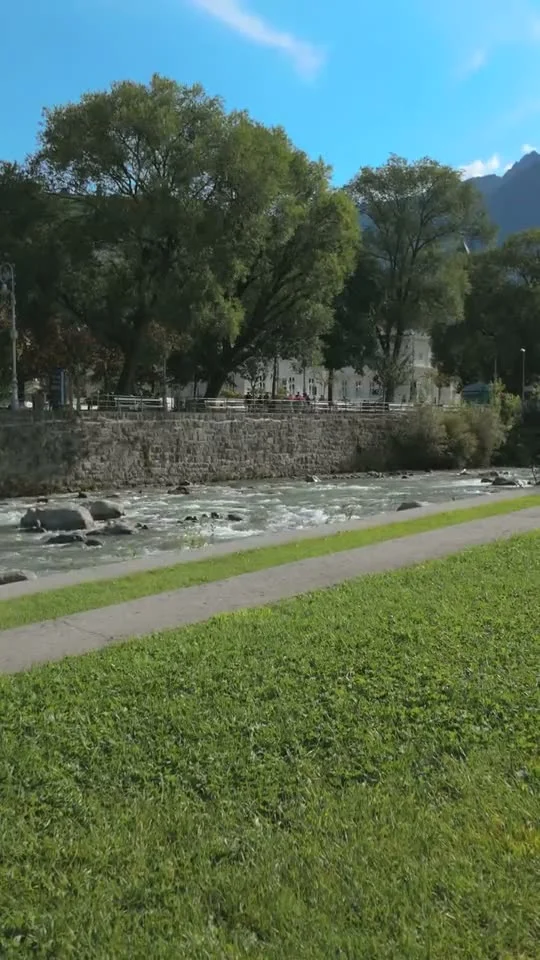 Passer
Terme bridge
The Passer from the terrace, walkers on the Terme bridge behind.
The Passer has always accompanied the town of Merano. What begins as a small spring at the Timmelsjoch grows, thanks to many tributaries from the Passeier Valley, the Sarntal Alps and the Texel Group, into a respectable river.
The whole course of the Passer through Merano is a recreation area.
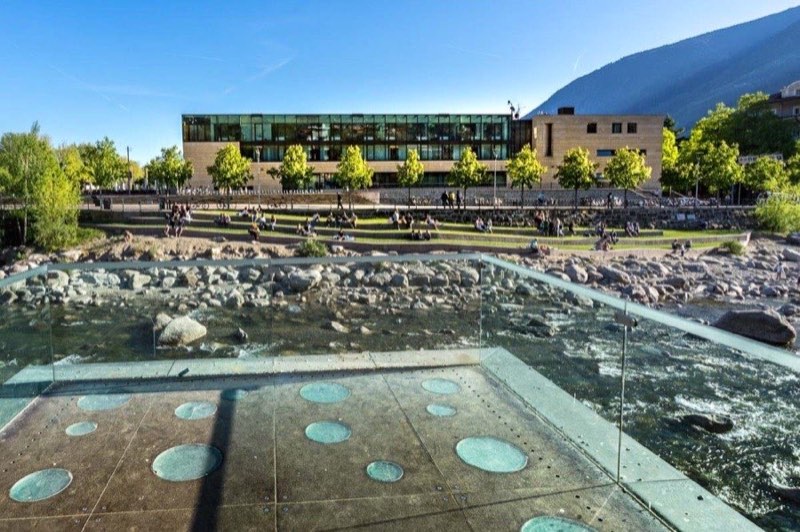
In the mid-19th century the course of the Passer through Merano was straightened and the river channelled to prevent flooding. Thanks to the foresight of the politicians and spa directors of the time, this also created the unique recreation area along the Passer through the spa town: the Merano promenades. Along the spa promenade the Passer pays its respects to the Kurhaus, and level with Terme Merano you come into direct contact with the river twice. Here, at its widest point, a glass viewing platform hangs freely over the water on the promenade.
Directly opposite, a direct access has been created with the Passer terrace, which you can reach from Piazza Terme.
Impressions
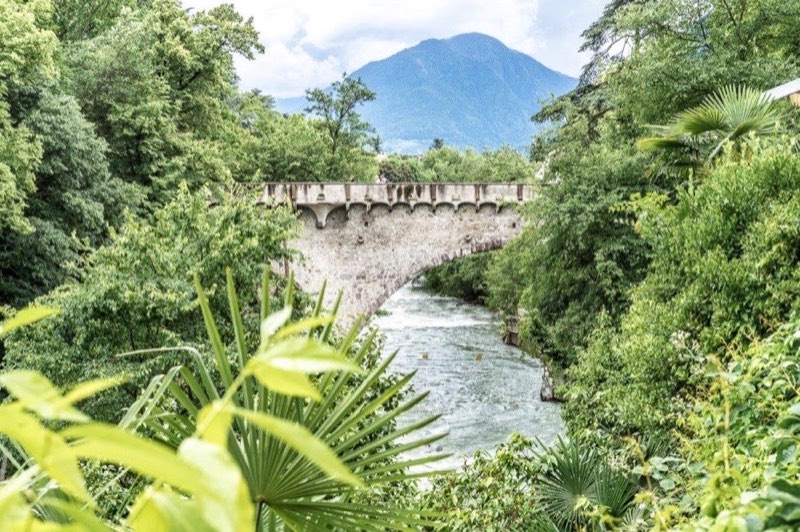
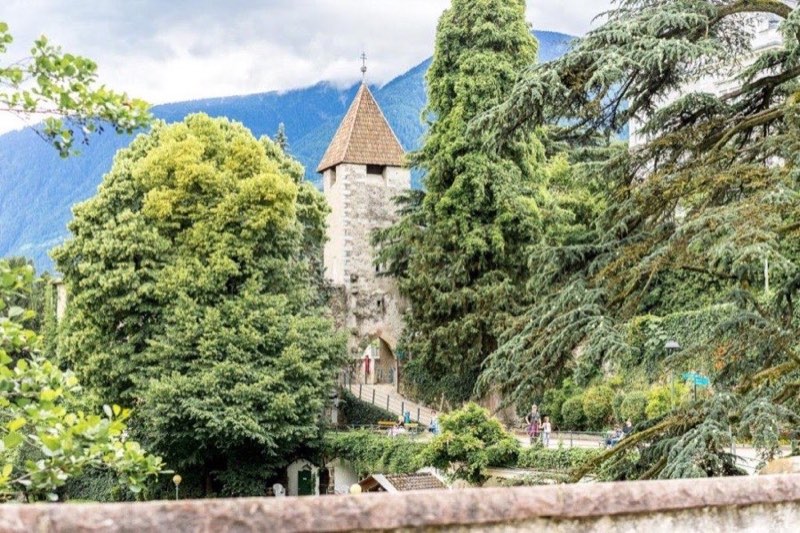
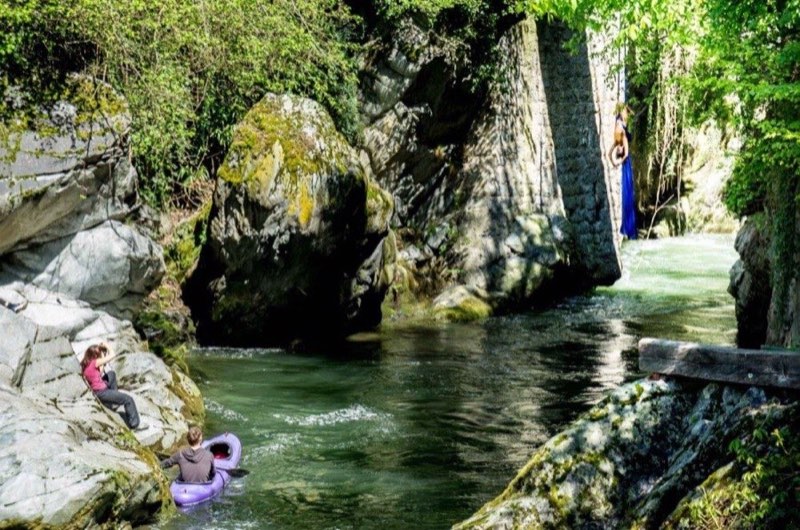
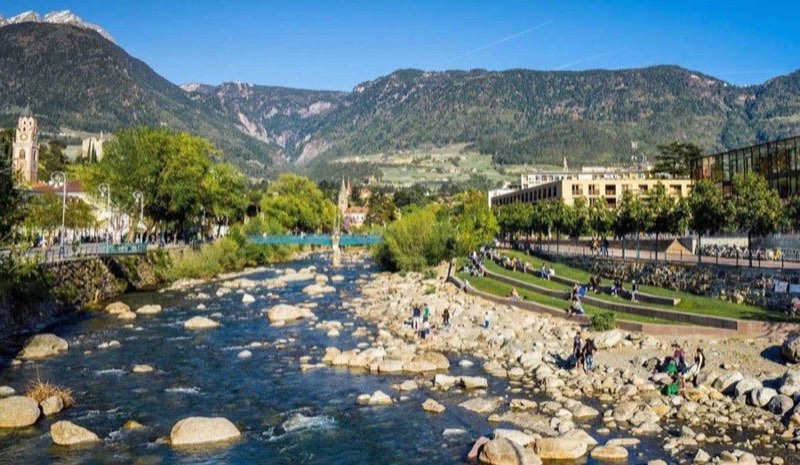
At the narrow and wild Gilf gorge, the Passer river leaves the Passeier valley north of Merano and thunderously squeezes through the granite rocks to be crossed immediately afterwards by a suggestive bridge. This bridge tempts artists and artists to breathtaking actions again and again.
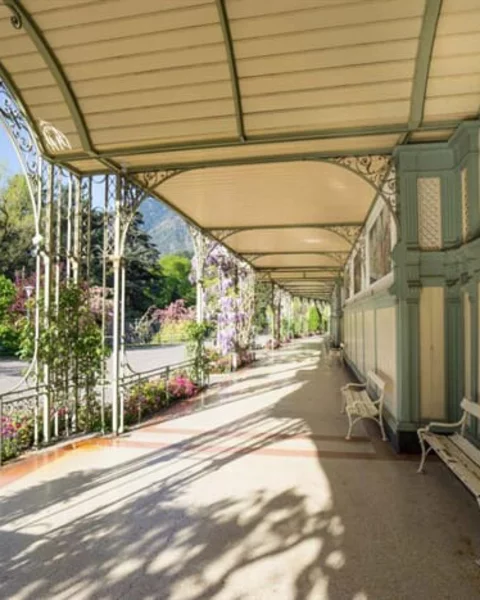
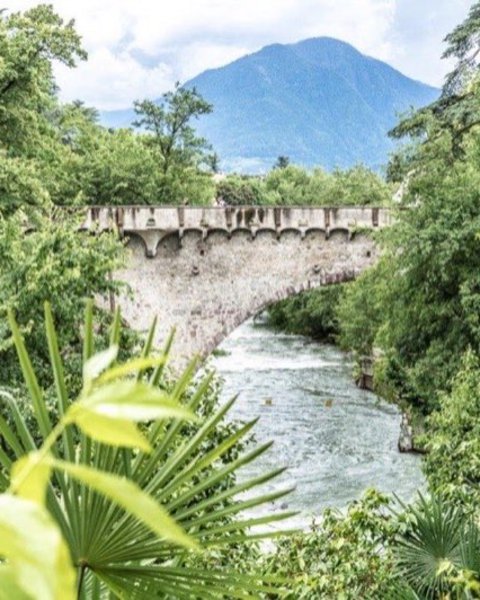
From here on, the riverbed widens and the water calmly flows towards the 16th century stone footbridge, also known as the Roman Bridge, accompanied by the summer and winter promenade on both sides. After a short bend, the water now runs straight through Merano, past the Wandelhalle, to then pass under the magnificent Post Bridge.
The entire course of the water from the Gilf promenade to the Theater bridge is lined on both sides by the Merano Promenades, magnificently manicured walkways lined with a great variety of different plants and trees.
In 1419 the last great flooding of the city by the Passer took place, of which the large boulders in front of the Holy Spirit Church still bear witness today.
Absolutely worth seeing along the river: the Passer terraces at the level of the Terme Merano, which offer direct access to the water and the Gilf gorge, where the Passer plunges through a narrow corset of granite rock towards Merano. Particularly striking is the well-preserved "Roman Bridge", the stone footbridge from the 17th century, which leads high above the river and connects the old town with Maia Alta.